 Kirsty Wark

Most dental problems do not start instantly. They start as a dull ache you keep meaning to mention, or gums that bleed a little but seem fine otherwise. A general check-up is the right call for maintenance, but there is a specific category of symptoms and goals where a specialist consultation will save you time, money, and tooth structure that can’t be replaced.
Here are seven signs you should be looking beyond a routine appointment.
1. Pain That Comes Back After Treatment
If you recently had a filling, cleaning, or something else and started to feel pain again shortly after, it is not for nothing. Localized, persistent tooth pain is often the first sign of issues with the living tissue deep inside your tooth, known as the pulp. This is typically the kind of complex issue that endodontists specialize in, often with the help of tools like the surgical microscope, which few general dentists have access to. A repeat filling won’t cut it.
2. You are Planning Multiple Implants or a Full-Mouth Restoration
Implants and restorative work can be done by general dentists. If you need several implants, are rebuilding significant tooth structure, or have concerns about bite mechanics, you will want the most specialized person you can find. A Prosthodontist is a specialist who has an additional 3-4 years of residency training specifically on implants and full mouth restorations on top of a dental degree. They will envision long-term durability, optimal function, and aesthetics. This includes how forces distribute across your jaw, how restorations wear over decades, as well as how the design of the restorations affects your speech, appearance, and more. The difference is most critical at the planning stage, before anything is placed in the mouth.
3. You Have Chronic Jaw Clicking, Headaches, or Facial Tension
Temporomandibular joint disorders often go undiagnosed in routine physicals, and part of the reason for this is that the symptoms seem to be indicative of other problems. Cases in point are morning headaches, jaw immobilization, clicking or grinding noise when moving the jaw, or even ear pain. All of these symptoms can be associated with neuromuscular dysfunction in the TMJ. A more sophisticated diagnostic approach is necessary, which could involve 3D imaging and a comprehensive overview of the muscle and joint relationships. This cannot be detected in the routine oral checks, but it could be by a specialist in the field.
4. Your gums bleed regularly or Are Visibly Pulling Back
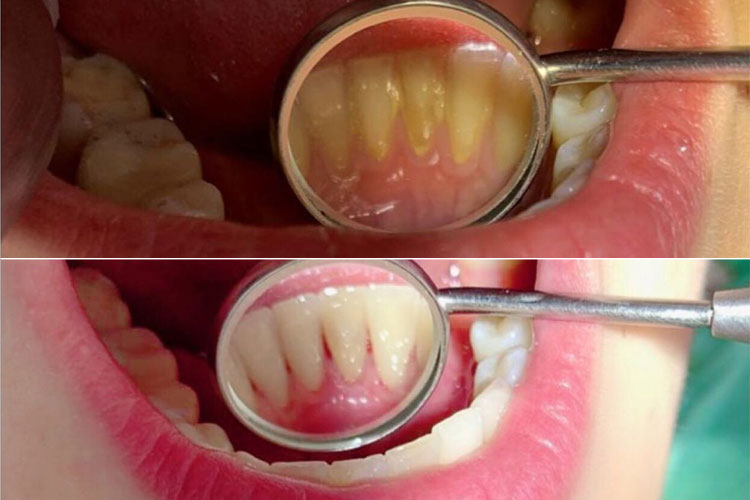
While on the topic, if your gums and teeth frequently hurt or are sensitive to temperature, it is also time to consult a periodontal specialist. Finding a Dentist in Chelsea with a strong referral network can help you get to the right periodontist quickly. Periodontal disease can irreversibly damage teeth beyond help, so it is crucial to seek a referral before that level of damage is sustained.
5. Your Teeth Are Visibly Misaligned, and It’s Affecting Function
It is one thing to have teeth that are noy 100% straight. It is another to have a malocclusion that interferes with how you bite, chew, or speak. If your general dentist has mentioned bite problems during more than one appointment, it is probably time to request a referral. Orthodontic treatment is the tool for structural correction, and if jaw misalignment is severe, you may need maxillofacial surgery as well. The key to the best possible solution is getting treatment from the right specialist.
6. You have Been Told You Need Cosmetic Work But Want Lasting Results
Veneers, smile makeovers, and aesthetic upgrades go beyond just looking nice in the short-term sense; they must be meticulously designed around the structural integrity of your teeth, the long-term color resistance of the materials used, and how the final product will stand the test of time. Aesthetic or cosmetic dentistry at an elevated level is much more than what many people think of when they have a routine check-up. If you are making a financial and physical investment in a permanent, noticeable change, the skill level of your doctor matters in terms of how many years you can reasonably expect to enjoy the transformation.
7. You Have a Lesion, Sore, or Discoloration That Won’t Heal
If there is any change in the soft tissue inside your mouth, a sore that does not heal after two weeks, a white or red patch, or a lump, it requires a proper oral pathology assessment. The good news is that the vast majority of these are nothing to worry about. However, this is the category where early specialist evaluation is non-negotiable. For the assessment of oral cancer and other pathological conditions, clinical skills, and often a biopsy are needed. So get this one looked at straight away.
How to Get the Right Referral
The most efficient route to specialist care usually starts with a thorough general assessment. The relationship between general and specialist dentists is a clinical pathway, and the quality of that first conversation shapes everything downstream.
The core argument here isn’t that general dentists fall short; they are the foundation of preventive care, and they catch the majority of issues before they escalate. The argument is that certain problems have permanent consequences if handled at the wrong level for too long. Seeing a specialist early for a complex issue costs less, in most cases, than managing the same problem with a series of temporary fixes. That’s not pessimism. That’s just how dentistry works when you’re paying attention.