 Kriti
Kriti
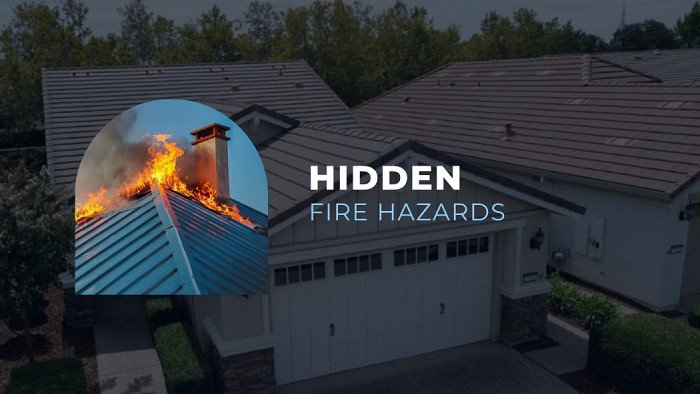
Most houses destroyed by wildfire are not in direct contact with the fire itself. Instead, a tiny burning ember lands in a pile of dry leaves in the gutter or slips through a screen in the vent and ignites the attic. If you want to save your house, that is where the battle actually takes place.
Embers Travel Farther Than Most People Think
Flame fronts get the attention, but windborne embers do the damage. These firebrands can travel up to a mile ahead of an actual fire, riding wind currents and landing on roofs, in gutters, and against siding long before any wall of flame arrives. Research from the Insurance Institute for Business & Home Safety shows that windborne embers are responsible for up to 90% of structures destroyed in wildfires. That single stat should reframe how homeowners think about fire prep. The threat isn’t the fire itself showing up at your door. It’s a tiny spark landing somewhere it can smolder undetected for minutes before catching.
Your Gutters Are a Fuel Bed You Probably Forgot About
Gutters are often overlooked as a fire hazard. Yet in many homes, gutter debris is the primary source of fuel in fires that spread from the roof to the main structure. One of the most important things a homeowner can do to prepare their home for a wildfire is to regularly clean out their gutters. The closer you live to vegetation and the more debris in the form of leaves, pine needles, and/or twigs that accumulate in your gutters, the more often you should do it during fire season (late spring through fall). To make the job easier and safer, ensure your downspouts are connected and flowing and install some form of gutter guard.
Vents Are Silent Entry Points Into Your Attic
Soffit vents, eave vents, and gable vents are there so your attic can breathe. They are also there as an open hole right above your home’s structure. The tiny birds and mice you hear about in your attic above probably came in right through one of these vents because they are typically protected only by 1/8-inch wire mesh. That’s too small for bigger birds and mice to squeeze through, but just the right size for an ember, and once an ember’s in the attic it’s free to light insulation, framing, and stored boxes with no one the wiser.
Wildfire-hardened construction codes typically demand finer mesh (1/16-inch is most common) or purpose-built ember-resistant vent assemblies. It’s one of the less expensive retrofits for a homeowner, short of a full remodel, that can plug one of the most overlooked holes in your home’s defenses. Sealing vents introduces problems with moisture and insulation, but products like Brandguard Vents are engineered specifically to resist ember intrusion while still allowing proper ventilation.
The Roof Surface Itself Matters More Than People Assume
A roof does not necessarily have to have a hole so as to be a liability. Shingles that are cracked or curled, tiles that are missing, and flashing with gaps along valleys and ridge lines all establish small spaces where debris accumulates, and embers potentially settle without being disturbed. Roof valleys are prone to accumulating leaves and needles similarly to gutters, but this happens in an area that most homeowners don’t think to inspect. When roof repair is treated as part of fire prevention, rather than merely to improve the look of your home, the sense of urgency in addressing these small problems shifts. A shingle that has been curling for two years is no longer an aesthetic issue.
Think of Your Roofline as Zone 0
Fire agencies use the Home Ignition Zone framework, which divides a property into rings, and Zone 0, the first 5 feet immediately surrounding the structure, represents the highest-risk area. Most homeowners are familiar with this concept from reading prevention literature: no mulch, no firewood, no shrubs flush against the foundation, etc. But this concept is rarely, if ever, applied to the roof and its gutter system, which also fall within that same 5-foot zone. Overhanging branches, likely touching the roof and certainly touching the gutter, are the primary culprits in depositing vegetation into a system starving for an ignition source. Trimming trees back from the roofline deserves the same priority as clearing brush from the yard.
A Seasonal Checklist That Actually Gets Done
Schedule two specific dates to mark your calendar ahead of time; one in the spring, and one in the fall. Then, take the following actions as part of your regular schedule:
- Take the time for a deep gutter clean by getting under any covers or guards.
- Look closely at the vent screens. Is the mesh size 1/8-inch hardware cloth and in good condition with no gaps between the screen and the frame? Replace those that allow embers to pass through 1/8-inch mesh.
- Examine the flashing and drip edges for corrosion or separation. Replace them with non-combustible material if needed.
- Inspect the intersections where roof valleys and ridges meet. Are they filled with plant litter and trapped debris?
- Trim branches back from overhanging the roof.
- And finally, check the chimney’s spark arrester.
None of this takes special equipment or a contractor. It takes an hour, a ladder, and the discipline to actually do it twice a year instead of once every few.
Fire hardening is not one big project. It is a handful of small, boring tasks done consistently, and the roofline is where most of them live.