 Jane Hill
Your home’s heating and cooling system works harder than almost anything else in your house. It is running for months at a time without much thought until something goes wrong. Catching problems early can save homeowners hundreds of dollars in repair costs. It can also extend the life of the whole system by years. Here’s what to watch for and when it’s time to call in some help.
Strange Noises Coming From Your System
A healthy HVAC system should run quietly in the background. If you start hearing banging, rattling, squealing, or grinding noises, something inside the unit has likely shifted out of place or worn down. Banging can point to a loose part inside the blower, while squealing often means a belt or motor bearing needs attention. Ignoring these sounds usually leads to bigger, more expensive repairs down the road.
Uneven Heating or Cooling Throughout the House
If some rooms feel noticeably warmer or cooler than others, that’s usually a sign of airflow problems, duct issues, or a system that’s struggling to keep up. Older homes are especially prone to this since ductwork wasn’t always designed with modern efficiency standards in mind. A professional inspection can pinpoint whether the issue is with the ductwork, insulation, or the unit itself.
Rising Energy Bills Without a Clear Reason
When a heating or cooling system starts losing efficiency. It has to work harder to reach the same temperature, and that shows up on your utility bill. If your energy costs are climbing but your usage habits haven’t changed. It is worth having the system checked. Low refrigerant, dirty filters, and aging components are common culprits.
Frequent Cycling On and Off
A system that’s constantly turning on and off, known as short cycling. It puts extra wear on the equipment and often points to a sizing issue, a thermostat problem, or a mechanical fault. This is one of those issues that tends to get worse the longer it is left alone. So it is better to have it looked at sooner rather than later.
Your System Is Getting Older
Most furnaces and air conditioners last somewhere between 15 and 20 years with regular maintenance. As a system approaches that age, repairs tend to become more frequent and more expensive. At a certain point, replacing an aging unit with a newer, more efficient model often makes more financial sense than continuing to patch up an old one.
Poor Indoor Air Quality
If you are noticing more dust than usual, increased allergy symptoms, or musty smells coming from your vents. Your HVAC system could be part of the problem. Dirty filters, mold growth inside ductwork, and poor humidity control all affect the air circulating through your home. This is one of those issues that’s easy to overlook since it builds up gradually over time.
When to Call a Professional
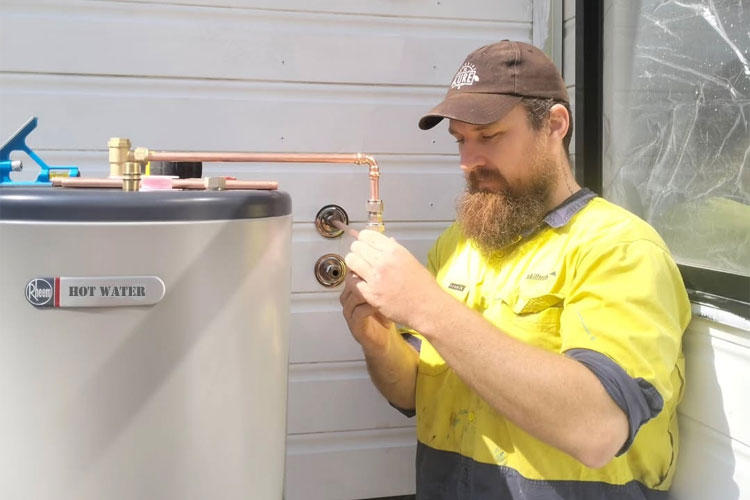
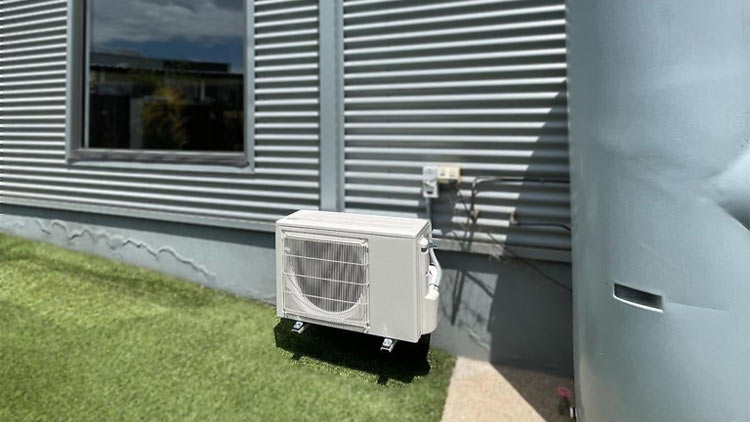
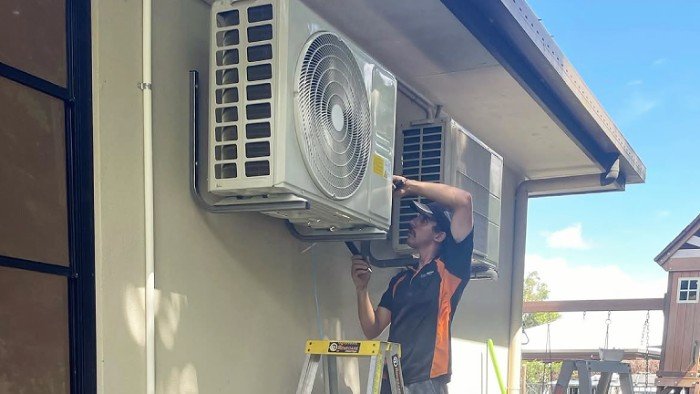
Some maintenance tasks, like changing a filter or clearing debris from an outdoor unit, are simple enough to handle yourself. But when it comes to diagnosing mechanical issues, refrigerant levels, or electrical components. It is best to leave it to a trained technician. Attempting DIY repairs on a complex system can void warranties and, in some cases, create safety hazards. If your home is showing any of the signs above. It is worth reaching out to a local HVAC company for an inspection before a small issue turns into a costly repair.
Staying Ahead of Problems
The best way to avoid emergency repairs is routine maintenance. Scheduling a checkup twice a year, once before heating season and once before cooling season, gives technicians a chance to catch small issues before they become big ones. It also keeps your system running efficiently, which helps lower energy costs and extends the equipment’s lifespan.
A little attention now goes a long way toward keeping your home comfortable through every season, without the stress of an unexpected breakdown.