 Jeremy Bowen
This article is about the word “vezyolatens” that you want to know about – whether it is safe to eat, where it comes from, whether it’s harmful, and whether it’s a supplement. I searched the internet and government/regulatory sources – but first, it is important to state clearly: Vezyolatens does not appear to be a familiar or recognized food/nutrient name. Only a few informal or less reliable pages are found on the internet; no major scientific or regulatory source is verifying this term.
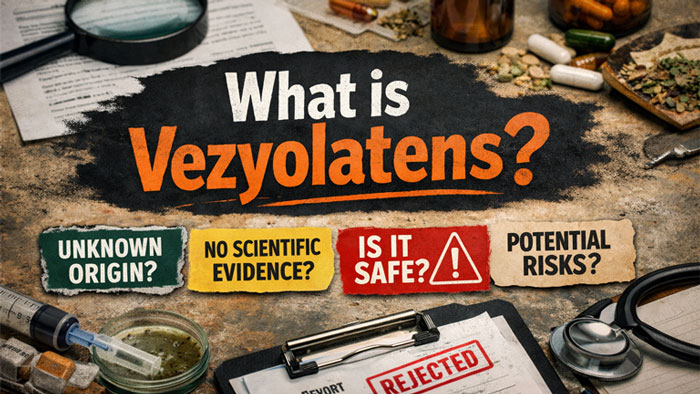
What is Vezyolatens?
Based on currently available information, it is unclear whether vezyolatens is a real traditional food, a new food item, a plant/fruit/mushroom, or the name of a brand/product. Some unofficial blogs/pages mention it in a food context, but their reliability is questionable, and no scientific studies, FSSAI/FDA registration, or PubMed/research articles have been found that validate it. Therefore, it is being treated as an undefined/unfamiliar term for the purposes of the following suggestions.
Is Vezyolatens safe to eat?
When there is no reliable scientific information about a substance, assuming it is safe can be dangerous. In matters of food and supplement safety, regulatory bodies (such as the FDA in the US, FSSAI in India) advise using only those products and ingredients for which clear labeling, ingredient lists, manufacturer information, and regulatory compliance exist. If a substance lacks a verified source or trials, caution should be exercised.
Where does Vezyolatens come from?
The information found on the internet is vague and varied—some sites post articles about its origin, but these are not supported by primary, scientific, or regulatory sources. Therefore, the actual origin (such as the name of a plant, a traditional dish from a country/region, or a pharmaceutical/nutraceutical ingredient) cannot be verified. In such cases, the standard procedure is to request proof from the manufacturer/seller (such as test reports, resource citations) or seek confirmation from a reliable food/science source.
Why vezyolatens bad
If a new/unfamiliar substance is consumed, the risks can be manifold:
- Toxicity/Hypersensitivity (allergy): Even some natural substances can cause allergies or severe reactions in people.
- Contamination/Adulterated Manufacturing: If the product is manufactured without standard GMP (Good Manufacturing Practices), it may contain heavy metals, bacteria, or other contaminants.
- Mislabeling/Adulteration: In the supplement market, the label often doesn’t match the actual ingredients; FDA-type warnings and cases are of this nature (for example, there have been reports of some weight-loss supplements containing toxic plant products). For these reasons, untested supplements can be dangerous.
Is Vezyolatens a supplement?
So far, searches have not found vezyolatens in any certified supplement list (such as the FDA registry, major supplement brands, or listed under FSSAI regulations). This means: either it’s a new brand/less popular local product, or the word is a result of misspelling/confusion, or it’s only found on less reliable websites. Therefore, it would be dangerous to consider it a supplement and consume it regularly until proof is obtained.
What to do if you are considering buying/consuming it (practical advice):
- Identify the source: Who is the manufacturer of the product? Is it made by a recognized company/laboratory?
- Check the label and ingredient: Look for the list of all ingredients, dosage, warnings, and batch number.
- Request verification reports: Request third-party testing/lab analysis reports — such as GMP, ISO, or reports from a certified testing laboratory.
- Check regulatory compliance: Check FSSAI regulations and listings in India; Read the relevant guidelines from the FDA in the US — there are specific regulations for supplements, and the manufacturer has certain responsibilities.
- Consult a doctor/pharmacist: If you are pregnant, breastfeeding, taking any medication, or have a chronic illness, do not take any new substance without consulting a healthcare professional.
- Perform a small test with caution: Even if the source seems trustworthy, start with a very small amount and stop immediately if you experience any adverse effects, then contact a doctor.
- Be aware of potential risks: There are many instances where supplements have caused health problems due to containing incorrect/harmful ingredients; therefore, caution is essential.
Conclusion
Currently, there is no solid or reliable record of “vezyolatens” in publicly available and scientifically recognized sources (considered trustworthy). Therefore, it is not advisable to consider it safe. If you have encountered this name anywhere — as a product, a restaurant dish, or a supplement — do not use it without first verifying the manufacturer, lab test reports, and regulatory compliance. Demand reliable evidence before proceeding and consult a healthcare professional if necessary.