 Kriti
Kriti
The majority of individuals seeking a better smile do not want a brand-new one. They want to address that one annoyance that has plagued them for years: a chipped front tooth, a gap that draws their attention in photographs, or edges that have dulled over the years. The relief is that the best cosmetic dental work is often among the least invasive.
Teeth Whitening as Your Starting Point
Firstly, professional whitening creates a starting point. Whitening the enamel before anything else really does make a difference, and it’s more important than you might think if you plan to have any additional work done. For example, dental resin does not respond to white products after it’s bonded and is colour-matched at the time of placement. So if you have bonding in place before whitening your natural teeth will shift colour, but the resin won’t.
It is just a good foundation to get the right shade right from the beginning, so you can avoid disappointment. A professional, clinical-grade whitening, whether it is in-chair or with custom trays at home, only takes a few weeks at most, and it is done.
Composite Bonding For Chips, Gaps, and Worn Edges
This is actually where most smile transformations happen, and it isn’t necessary to submit to surgery, to the drill, or even to a local anaesthetic in most cases. Composite Bonding in Colchester is one example of a dedicated service where a tooth-coloured dental resin is skilfully painted onto the surfaces of your teeth. The vast preponderance of your enamel (and the shape and function of your teeth) remains untouched, making it a genuinely reversible repair in a way that porcelain veneers are not.
The process is straightforward dentistry at its best. A mildly acidic etching gel creates microscopic dimples on the surface of the enamel for the resin to flow into. The resin is then expertly daubed on and hand-sculpted into its correct form by the dentist. Putting on the finishing touches refers to both an eye for aesthetics and a paper-thin tweak to the anatomy, and a high shine polish brings the treated area up to the lustre of the surrounding enamel. The final magical step is to twin-blast the semi-soft resin with ultraviolet and blue light to cure it and make it hard in around 40 seconds.
This is why this is frequently referred to as ‘same-day dentistry’; the total treatment time for these miniature transformations hovers around the one-to-two-hour mark. The paint-and-polish part can indeed take as few as one to two minutes. Most people are in and out of the chair in an hour, give it a final check, flash a reassuring smile at themselves in the hand mirror, pay the receptionist, and are stepping out onto the high street with their exciting, fresh smile within an hour and a half.
It’s ideal for closing a diastema, fixing small chips, and a thing called edge bonding, which is where the incisal edge of worn teeth is built out again to restore the proportions that grinding or age has whittled away. Cost is also a factor. Bonding is 50 to 70% cheaper per tooth than laboratory veneers and tooth-crowns, which puts it within reach for people who’ve written off cosmetic dentistry as too expensive.
Gingival Contouring For Proportion Issues
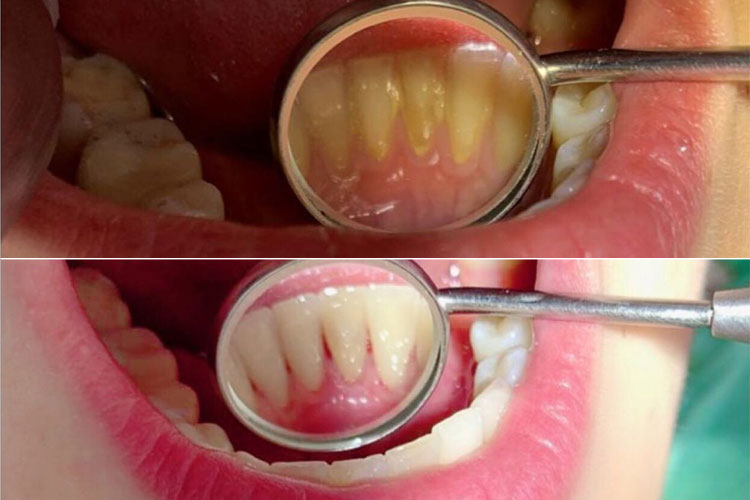
Occasionally, a smile may not appear right, although the teeth are healthy. This may be due to the gumline appearing too high. Gingival contouring changes the gumline to give a more balanced appearance. A “gummy” smile or an uneven gumline can make teeth look too small. However, the teeth may be the right length but hidden under too much gum tissue or sometimes under dental tartar. This is easily fixed and doesn’t involve the actual teeth at all.
Managing Minor Alignment Without Orthodontics
Composite resin can also be used to camouflage minor malocclusion. Small gaps, slight overlaps, or size discrepancies between teeth can be hidden without having to spend months in braces or clear aligners. This certainly isn’t a replacement for orthodontic treatment where there is a clinical need for it, but where the issue is only cosmetic, shaping, and adding some resin to the adjacent teeth can make all the difference visually.
This can only give you nice results, however, when the “bite” underneath is also sound. A good practitioner will advise if your situation requires more than bonding to correct.
Keeping Results Looking Good Long-Term
Dental bonding is tough stuff for the most part, but it is not unbreakable or wholly stain-proof. Coffee, red wine, and tobacco are the most significant staining offenders, and they can usually be cleaned off the resin more easily than off natural enamel. Regular use of the front teeth on things you shouldn’t be biting (like pens or your nails) causes the most damage and wear. A good plastic surgeon can reshape your nose, but a good dentist can’t repair years of this kind of abuse.
For most people, a repolish every two to three years after bonding is enough to get the surface luster back and remove any accumulated surface stains. It is hardly any different from the appointment you would have to make anyway for your scale and polish. If your bite’s fine and you don’t use your front teeth as a handy pair of scissors, your bonding will stay looking good.