
 Kirsty Wark
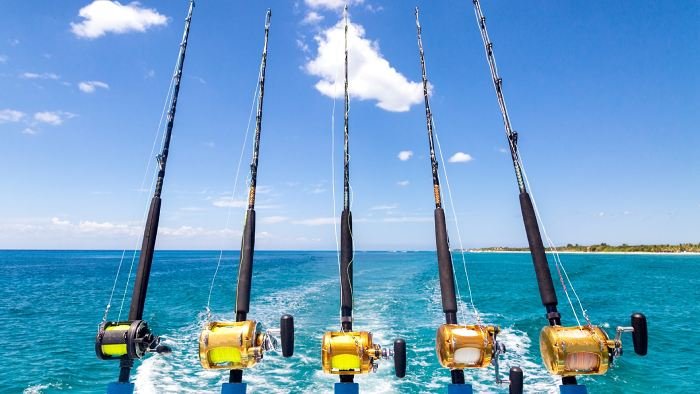
Booking a fishing charter for a vacation comes with more decisions than most people expect. One of the biggest is choosing between inshore and offshore fishing. Both offer a genuinely great day on the water, but they deliver very different experiences. You should understand the difference makes it much easier to pick the right trip for your group.
What Is Inshore Fishing?
Inshore fishing takes place in shallower waters closer to the coast, typically within bays, estuaries, and areas near mangroves or grass flats. Because these waters stay calmer than the open ocean. Inshore trips tend to be smoother and more comfortable, even for guests who aren’t used to being on a boat.
Common inshore catches include species like snook, redfish, and trout, fish that thrive in these protected, shallower environments. Trips are usually shorter, often ranging from two to four hours, which makes inshore fishing a popular choice for half-day excursions.
What Is Offshore Fishing?
Offshore fishing heads further out into open water, sometimes many miles from shore, in search of larger, harder-fighting species. Grouper, snapper, kingfish, tuna, and other pelagic fish are common offshore targets. The fight to bring one in tends to be far more physically demanding than an inshore catch.
Because offshore trips travel farther and often last longer, ranging from a half day to a full day or more. They typically involve rougher water and more time spent traveling to and from the fishing grounds.
Comparing the Experience
The two trip types offer genuinely different days on the water. Inshore fishing tends to be relaxed, scenic, and beginner-friendly, with calm water and frequent action from smaller, feistier fish. Offshore fishing leans into adventure, bigger fish, deeper water, and a greater sense of open-ocean exploration.
Neither experience is objectively better. It comes down to what a group actually wants out of the trip. A mellow, easy day close to shore, or a more intense adventure chasing trophy-sized fish farther out.
Which Trip Fits Your Group?
Group composition matters more than people often realize when choosing between the two. Families with young children, first-time anglers, or anyone prone to motion sickness generally do better with an inshore trip. Since the calmer water and shorter duration make for an easier, more comfortable outing.
Experienced anglers looking for a bigger challenge, or groups specifically hoping to land a trophy fish. It tend to get more satisfaction from an offshore trip. The extra travel time and rougher conditions are a worthwhile tradeoff for the chance at significantly larger catches.
Weather and Seasonal Considerations
Weather plays a bigger role in offshore fishing than inshore fishing. Since open water is far more affected by wind and swell than protected bays and estuaries. A day with choppy conditions might still be perfectly fishable inshore while making an offshore trip considerably rougher or even unsafe.
Seasonal patterns also shift which species are most active inshore versus offshore throughout the year. Which is worth discussing with a charter captain when planning a trip, especially if there’s a specific fish someone’s hoping to catch.
Gear and Comfort Differences
Inshore trips typically use lighter tackle suited to smaller, more agile fish, while offshore trips call for heavier gear built to handle much larger, stronger species. Most charters provide all necessary equipment regardless of trip type. But it is worth confirming ahead of time, especially for offshore trips where specialized gear matters more.
Comfort is another consideration. Offshore trips involve more time on open water, which means more sun exposure and a greater chance of rougher seas. Packing accordingly- sunscreen, motion sickness remedies if needed, and layers for wind- makes a longer offshore trip considerably more enjoyable.
Making the Right Choice
There’s no universal right answer between inshore and offshore fishing. The best choice depends on group size, experience level, tolerance for open water, and what kind of fish everyone’s hoping to catch. A private fishing charter that offers both trip types gives vacationers the flexibility to choose based on what actually fits their group, rather than being locked into one style of trip regardless of preference.
Final Thoughts
Both inshore and offshore fishing offer a memorable day on the water, just in very different ways. Inshore trips suit families, beginners, and anyone looking for a relaxed, scenic outing. Offshore trips suit experienced anglers chasing bigger fish and a more adventurous day at sea. Thinking through group size, experience level, and what kind of experience everyone’s actually hoping for makes the decision a lot easier before booking a charter.