
 Kirsty Wark
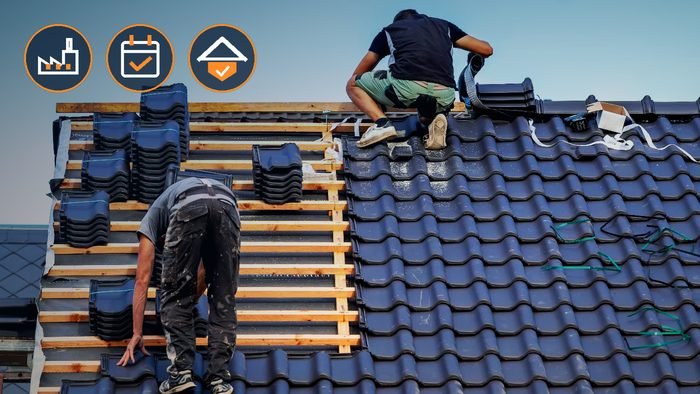
A roof is easy to ignore in a busy plant. Then it starts to leak over a production line, and suddenly it is the only thing anyone talks about. At that point, replacement is no longer optional. The real question is how to do it without stopping the work happening below.
Good planning makes that possible. With the right schedule, protections, and communication, most facilities can keep running while the roof comes off and goes back on. Here is how to approach it.
Why Roof Work Affects Operations
Roof replacement is loud, messy, and active. Crews move materials, run equipment, and open up sections of the building envelope. That can affect daily operations in several ways:
- Noise and vibration from tear-off and fastening
- Dust and debris that can drift into the building
- Access limits for trucks, lifts, and staging areas
- Weather exposure when a section of the roof is open
- Fire risk if torches or heated materials are used
Knowing these risks up front helps you plan around them instead of reacting to them.
Start With a Thorough Assessment
Before anyone sets a date, get a clear picture of the roof and the building under it. Look at:
- The condition and age of the current roof
- Where leaks and wet insulation are located
- What sits directly below the problem areas
- Rooftop equipment, vents, and penetrations
- Drainage paths and low spots
This tells you how much of the roof has to be replaced and where the highest risks are. It also helps you rank which sections should be done first.
Work in Phases
One of the best ways to protect production is to avoid opening the whole roof at once. Many commercial roof replacement projects can be broken into sections. Crews tear off and replace one area, make it watertight, and then move to the next.
A phased approach has clear benefits:
- Less exposure. Only a small part of the roof is open at any time.
- More flexibility. Areas over critical equipment can be scheduled for planned downtime.
- Easier to adjust. If the weather turns, crews have fewer open areas to protect.
Not every building suits this method. Large single-span roofs or certain systems may need a different plan. That is something to work out with the roofing team early.
Protect What Is Inside
Even with a careful plan, assume something may go wrong. Take steps to protect equipment, inventory, and people:
- Cover or move sensitive machinery near the work zone.
- Relocate stored materials and finished goods away from the area.
- Use temporary protection such as tarps or interior barriers under open sections.
- Check that sprinklers, lighting, and electrical systems are shielded from debris and water.
- Schedule the highest-risk work for planned shutdowns or slow periods.
Key point: a small amount of prep work can prevent a major loss.
Put Safety First
Roof work comes with serious hazards, and a working facility adds more. Workers on the roof and workers below both need protection.
OSHA’s construction standard requires fall protection for employees on a surface with an unprotected side or edge six feet or more above a lower level. For low-slope roofs, the rules allow several options, including guardrails, safety nets, personal fall arrest systems, or a warning line combined with another system. You can read the details in OSHA’s fall protection standard.
On the ground, plan for:
- Clear and marked walkways away from drop zones
- Separate routes for trucks, forklifts, and pedestrians
- Safe staging areas for materials and dumpsters
- A fire watch if any hot work is part of the job
Coordinate the Schedule
A roof replacement touches many other schedules. Align the project with:
- Planned maintenance shutdowns
- Seasonal production peaks and slow periods
- Material delivery windows
- Weather, since roofing depends on dry conditions
Order materials early. Delays in supply can stretch a project and leave the roof exposed longer than planned.
Keep Communication Clear
Many problems come from poor communication. Name one point of contact on your side and one on the roofing side. Hold a short briefing before work starts each day. Let supervisors know which areas will have activity and which will not.
Also tell your team what to expect. Workers who know about noise, closed doors, or changed routes are less likely to be caught off guard.
Final Thoughts
Replacing a roof does not have to bring a facility to a halt. With a clear assessment, a phased plan, and strong safety and communication habits, production can keep moving while the building gets the protection it needs. The best time to plan is before the next leak forces the decision.