
 Jeremy Bowen
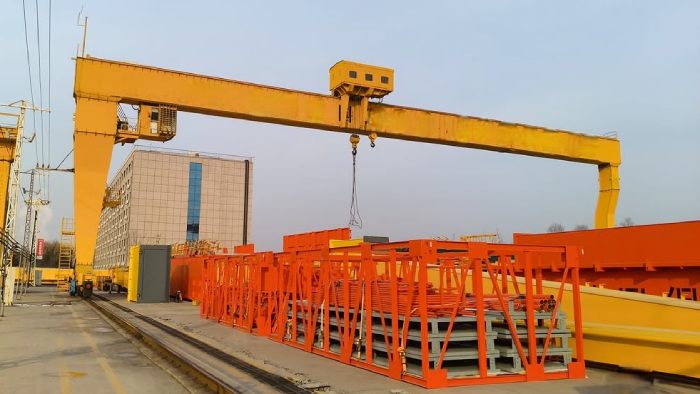
Most outdoor machinery failures aren’t mechanical in origin. They are chemical. Salt films, trapped moisture, galvanic reactions between dissimilar metals. These are the forces quietly dismantling equipment between maintenance visits. Understanding that distinction changes how you approach industrial maintenance entirely.
The Chemistry Of Outdoor Degradation
Outdoor equipment is exposed to different risks than indoor equipment. Due to temperature variations, gearboxes and enclosures heat up during the day and cool down at night. It allows moist air to enter through small openings. This moisture accumulates inside the equipment, causing corrosion since there is no way for the water to drain off steel housings and bearing races.
Ultraviolet radiation deteriorates rubber seals, causing them to fail sooner than expected in regular maintenance programs. Once a seal fails, not only do you lose the contained grease or oil, but moist, salt-laden air penetrates the equipment. This air has free access to machinery compartments that were not designed to withstand this hostile atmosphere.
If this machinery is located near the sea or in an area where salts are spread on the road in winter, the problem is worsened. Airborne sodium chloride from sea spray or de-icing salts settles on all surfaces, and the thin film of salt draws moisture from the air even on perfectly dry days. This further increases the wetness of the machinery.
Dirt Is not Just Cosmetic
Dirt doesn’t just look bad; it can actually damage equipment. Dirt and grime can contain moisture that keeps metal surfaces wet and speeds corrosion. Metal surfaces and parts that are not clean wear out faster.
When parts wear out faster, equipment fails sooner. Independent of climate, humidity trapped in dirt makes a tiny battery. The dirt conducts enough electricity to allow the humidity to produce a tiny electrical current. That current travels from the dirt/grime into the base metal of the equipment and creates small pits of corroded metal. Meanwhile, the trapped humidity keeps the metal wet, causing the corrosion process to speed up.
Clean Correctly, Not Aggressively
It is normal for people to want to pressure-wash their outdoor equipment. However, this can be harmful to the equipment and make the problem worse. High-pressure water pushes moisture into areas that it shouldn’t be, such as bearing housings, electrical conduit entries, or threaded joints. These are also the areas where you can least afford to have water lingering. Water that is forced into a crevice, under pressure, doesn’t drain. It sits there.
The better solution is chemical neutralization. You do not want to just rinse salt and corrosives around – you want to break it down chemically. Use Anti Corrosion Cleaning agents specifically formulated to neutralize salts and corrosives. These should be chosen to leave behind a thin film/residual layer for protection, rather than to scorch the earth and leave your equipment in a state of nature. This is justifiable because of the scale of what corrosion costs. The global cost of corrosion is estimated to be $2.5 trillion annually, or 3.4% of worldwide GDP, with industry-standard corrosion control measures capable of preventing 15% to 35% of that damage. (NACE International IMPACT Study)
Lubricants and Seals Designed For Outdoor Conditions
If you expect a piece of equipment to keep working despite being outside in most climates. You have got to design for it. Moisture is the big killer with outdoor equipment, so the crucial design for those applications is reducing available moisture and controlling where it goes.
Moisture gets in when cool, outside air is drawn into a warm gearbox through a failed seal or a vent. Then the gearbox heats up in the sun and drives the moisture out again into humid air. Effective outdoor gear is designed to minimize the entry points for new contamination, then carefully drain the moisture that does get in away from the gearing and bearings before it can do any harm.
Decades of outdoor gearbox design work have gone into creating vent positions. They are not direct tubes pointing at the sun, or that have some form of baffle after the vent tube to catch debris thrown up by the incoming air stream. Gearing can be designed with channels to more effectively move water out of danger zones. With roughened surfaces that encourage water to coalesce and drip-free rather than sticking to gear teeth.
What Structural Inspections Miss
Visual inspections may identify surface corrosion, but they won’t catch subsurface fatigue in structural welds or micro-cracking around load-bearing joints. Non-destructive testing (ultrasonic or magnetic particle) puts the maintenance team in direct contact with what’s happening inside the material. When you are talking about outdoor equipment holding significant loads, having regular NDT done on structural welds isn’t a nice-to-have option. Miss a fatigue crack in a support frame because your inspections kept it to the surfaces, and that is a failure mode with very expensive consequences.
Mean time between failures trends in the right direction. When maintenance protocols are designed to address the full threat environment. It is not just the visible part of it. Outdoor industrial maintenance on critical systems works when it’s designed around the chemistry of degradation. It is not just the mechanics of wear.